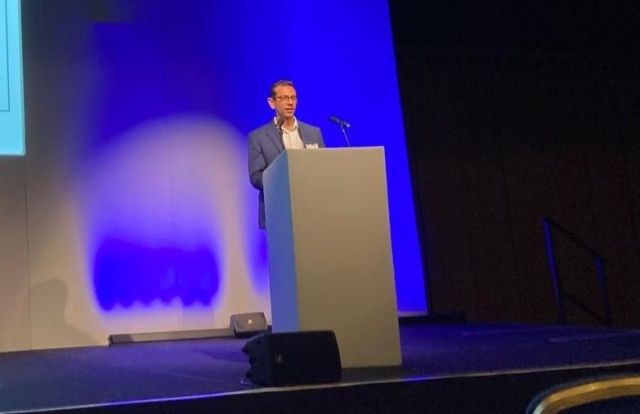
As I prepare to complete my 2-year tenure as the BIA Trainee Meetings Secretary in May, I’ve been reflecting on the incredible journey it has been. I applied for the role as an ST4 based in Birmingham as I had a budding interest in leadership and management, and I viewed the BIA as a true "bastion" of our professional community. Encouraged by consultant colleagues and my predecessor, Dr James Meiring, I took the leap—and it has been one of the most rewarding decisions of my specialist training in infectious diseases and microbiology.
I recently sat down with our President, Dr. Rajeka Lazarus, to discuss the impact of this role and why more trainees should consider stepping up.
The Heart of the Role: Curating the Bi-Annual Meetings
The majority of this role centers on arranging our bi-annual meetings, specifically the Spring and November sessions. It is more than just logistics; it is an exercise in creativity and relevance. Your primary goal is to put together a schedule that is not only educationally sound but also truly attention-grabbing for your peers. I still remember trying to find the right mix of topics for the first training day I arranged and hoping it would be enough. I realized over time, that there was no perfect mix and that one of the privileges of the position was that it allowed you to diversify the days and highlight potentially overlooked topics. I had always felt strongly about career development and leadership and so I tried to integrate these into some of the sessions. Reading the positive feedback on those sessions thereafter and the effect that it had, was truly inspiring.
You have the platform to identify the most pressing topics in infection today and find the voices that need to be heard. As Dr. Lazarus and I discussed, this role allows you to expand your skill set and experience by managing national-level responsibilities alongside clinical training.
Building a National Network
One of the most enriching aspects of the job is the sheer breadth of people you interact with. On any given day, you might be:
- Collaborating with the Events Management Team: Working closely with a fantastic support team that helps with the heavy lifting of meeting logistics.
- Engaging with Speakers: Reaching out to experts across the country. I’ve found that "cold emailing" is a fantastic skill to develop.
- Connecting with Other Societies:We work with the Healthcare Infection Society to organise the Federation of Infection Societies meetings and others such as the British Thoracic Society and Intensive Care society to organise other educational events.This however, is an area where I feel more can be done to connect infection societies across the nation so that we can co-ordinate and collaborate on events much more moving into the future.
- Representing the Trainees perspective: Sitting on the Council gives you a seat at the table where national-level strategies and guidelines are debated.
Balancing the Role with Registrar Life
A common concern for trainees is time. I can personally attest that this role is entirely doable. I managed to complete my FRC Path Part 1 during my tenure. The BIA provides a streamlined handover and immense support from senior colleagues ensuring you never feel overwhelmed. I would try to schedule all my meetings during non clinical hours, however this was not always possible. In those occasions my colleagues were immensely understanding and always willing to cover me if needed.
Furthermore, most Trusts recognize BIA training days as part of your official study leave, making attendance and participation much easier than people might realize.
Why You Should Apply
The BIA is a member-led society. To keep it relevant, we need trainees who are willing to bring fresh perspectives and bridge the gap between regional training and national decision-making. This role offers a unique glimpse into the "different flavors of work" within the infection microcosm and provides an invaluable understanding of how professional bodies are governed.
If you have an interest in leadership, or if you simply want to improve the training experience for your fellow peers, I cannot encourage you enough to apply. Step out of your comfort zone—you’ll be surprised at how much you grow.
Interested in joining the BIA Council? Keep an eye on the BIA website for upcoming election details for the Trainee Meetings Secretary and Professional Affairs roles.