
Leading UK infection societies launch major workforce report to strengthen future health security
Leading infection specialty organisations across the UK have today launched a new report calling for urgent action to strengthen and modernise the UK’s infection-specialist workforce in response to rising health threats, antimicrobial resistance (AMR), and future pandemic risks.
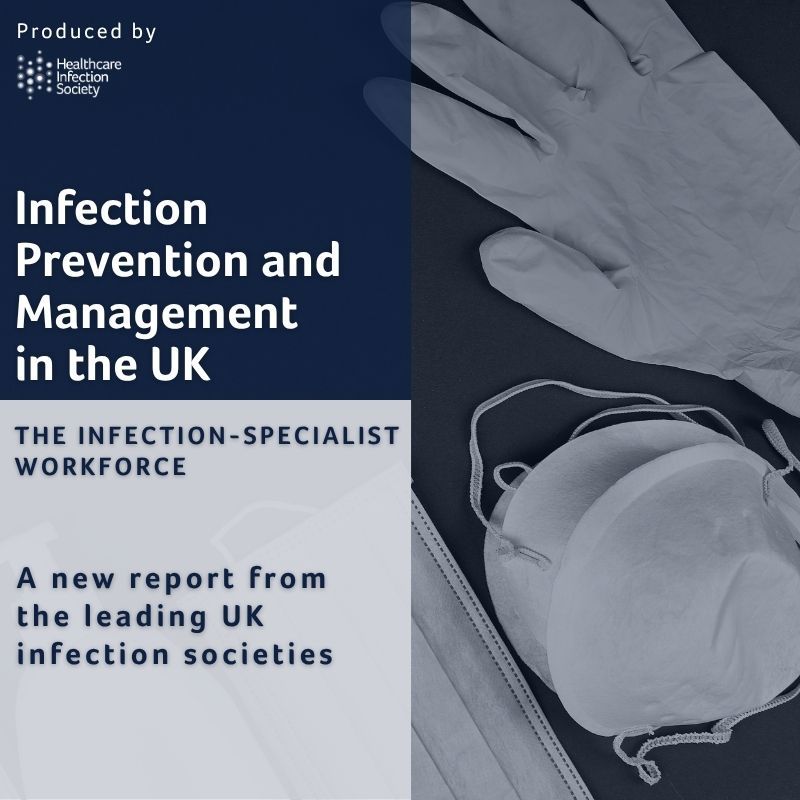
Infection Prevention and Management in the UK: The Infection-Specialist Workforce sets out a long-term plan to support the workforce and modernise infection services in line with the NHS 10 Year Health Plan for England and the Chief Medical Officer’s Annual Report 2025: Infections.
The report recommends reforms aligned with the NHS’s three strategic shifts: moving care from hospital to community, shifting focus from sickness to prevention, and accelerating the transition from analogue to digital systems. It outlines how infection expertise can be embedded across healthcare settings to improve patient outcomes, strengthen resilience, and increase cost-effectiveness throughout the UK health system.
Workforce Report 2026
Infectious diseases present an increasing challenge to healthcare systems across the UK. Alongside everyday infections becoming more resistant to existing antimicrobials, the country also faces the continuing threat of emerging pathogens and future global pandemics. The report argues that a strong and sustainable infection-specialist workforce is essential to protecting both patients and the public.
The report highlights how infection specialists support clinical care, diagnostics, infection prevention and control (IPC), public health, and system leadership. The multidisciplinary workforce includes infectious disease physicians, clinical microbiologists, virologists, mycologists, parasitologists, infection-control specialists, specialist nurses, antimicrobial pharmacists, biomedical scientists, and clinical scientists.
It also warns that healthcare systems are under growing pressure from rising patient complexity, increased use of immunosuppressive therapies, an ageing population, antimicrobial resistance, and emerging infections. Workforce shortages across infection specialties are already widespread, with the Royal College of Pathologists warning of a “pending workforce crisis” unless action is taken.
The report calls for investment in workforce development, digital innovation, and integrated multidisciplinary working. It argues that embracing new technologies, improving data-sharing through networks, and supporting innovative team-based care will enable infection specialists to work more effectively and productively.
The recommendations aim to ensure patients can increasingly receive excellent care closer to home, reducing unnecessary hospital attendances and supporting more environmentally sustainable healthcare delivery.
Dr Sarah Logan, Consultant in Infectious Diseases and General Medicine, Hospital for Tropical Diseases, University College London Hospitals Trust and lead author on the report, noted:
“The ability to prevent and treat infections is central to all that we do in healthcare. This report from leading infection specialists across the UK describes the breadth of work that we do and makes recommendations of what we need to improve the care we deliver.
“We showcase examples of innovative ways of working to prevent and care for patients , working in multidisciplinary teams, in the community and in hospitals, harnessing digital technology. As the pressure on healthcare systems increases from rising patient complexity and multi-morbidity, an ageing population, the impact of antimicrobial resistance (AMR) and emerging pathogens. The infection-specialist workforce is critical in the response to these systemwide threats and pressures.”
Dr Sarah Adibi, CEO of the Healthcare Infection Society, said:
“Prevention is one of the most effective tools we have in healthcare, and infection prevention and control professionals are central to delivering safer care across every setting. This report highlights the urgent need to strengthen and modernise the infection-specialist workforce, so the UK is better prepared to tackle antimicrobial resistance, emerging infections and future health threats.”
The report launch will be accompanied by a workforce webinar series featuring a keynote address from Professor Christopher Whitty, Chief Medical Officer.
For more information, to access the report, or to attend the launch event and webinaWorkforce Reportr series, please contact:
Read Infection Prevention and Management in the UK: The Infection-Specialist Workforce
Attend the Launch Event and Workforce Webinar Series, featuring a keynote address from Prof. Christopher Whitty, Chief Medical Officer
Contact: Dr Sarah Logan, sarah.logan4@nhs.net
Download report - Workforce Report